

John Barrett
BSc
Design is a question with answers found in user wants, needs, and desires. My design process uses these requirements to develop products that are both innovative and desirable. I focus on small details that come together to solve bigger issues for a wide range of stakeholders, whether that’s a user, an industry, or even the planet. Working on consumer, medical, and scientific products during my time at NTU and throughout my year in industry has strengthened my design, prototyping, testing and technical skills. These experiences help me understand how to balance user needs with technical constraints while still creating thoughtful and effective solutions.

APRI Synta
Click here for a video!
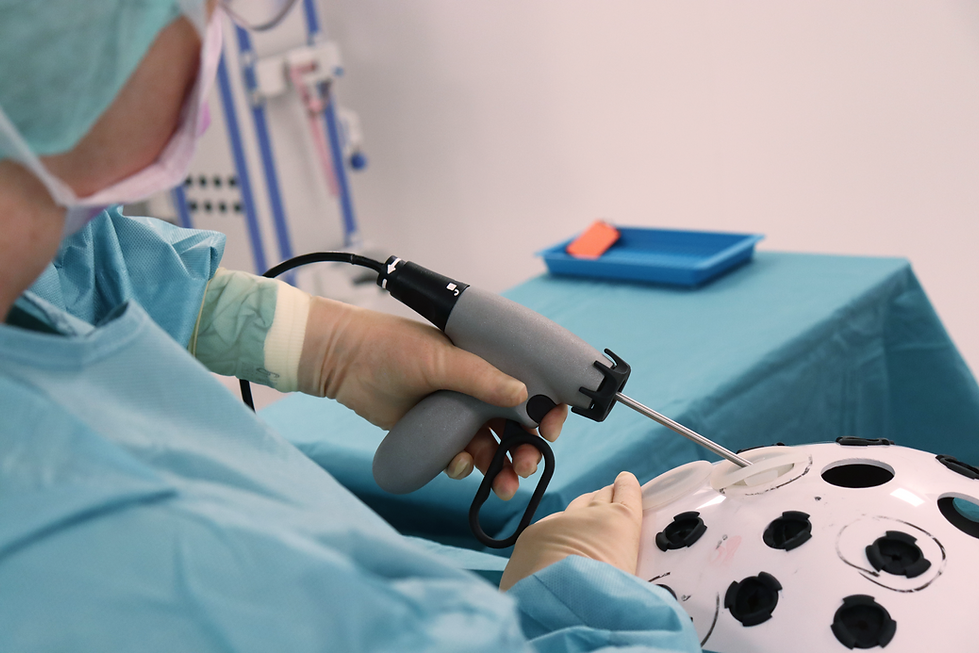
Laparoscopic energy devices are essential tools in minimally invasive surgery, enabling precise cutting sealing and coagulation of tissue through small incisions in the abdomen. Despite their critical role, the ergonomic design of these devices has remained largely unchanged, continuing to follow a one- size-fits-all approach that does not reflect the diverse needs of surgeons and operating-room staff.
This project explores the impact of poor ergonomics on surgical performance and user wellbeing, with a particular focus on fatigue, musculoskeletal strain, and usability challenges experienced during procedures. Current devices often fail to accommodate variations in hand size, grip strength, and working style, contributing to physical discomfort and increased cognitive load, while also affecting workflow efficiency in the operating theatre.
Through a combination of research, user engagement, and iterative prototyping, this project identifies key barriers preventing ergonomic innovation, including regulatory constraints, sterilisation requirements, cost-driven procurement, and a clinical focus on device performance over user comfort.
In response, this project has developed an ergonomic energy device that reduces fatigue, improves usability, and supports a wider range of users, while remaining compatible with existing clinical practices. By integrating inclusive design principles, anthropometric data, and stakeholder input, the outcome seeks to enhance both surgeon wellbeing and overall surgical performance without compromising patient safety.
.png)


Fiorita
Click here for a video!
FioRita is a plant grow lamp designed to bring visual interest into the home while supporting the wellbeing of both the user and their houseplants. Many existing grow lights focus solely on plant growth, with little consideration for aesthetics. FioRita integrates adjustable colour output and flexible movement into a refined form, supporting plant growth while enhancing the home environment. With a high level of adjustability, the lamp can be used in multiple rooms throughout the home for different purposes, such as a task light or a grow lamp. Subtle details, including movable joints and thoughtfully designed controls, make FioRita a desirable and versatile object to have in the home.


